3 days in Nagoya: an itinerary timed to opening hours
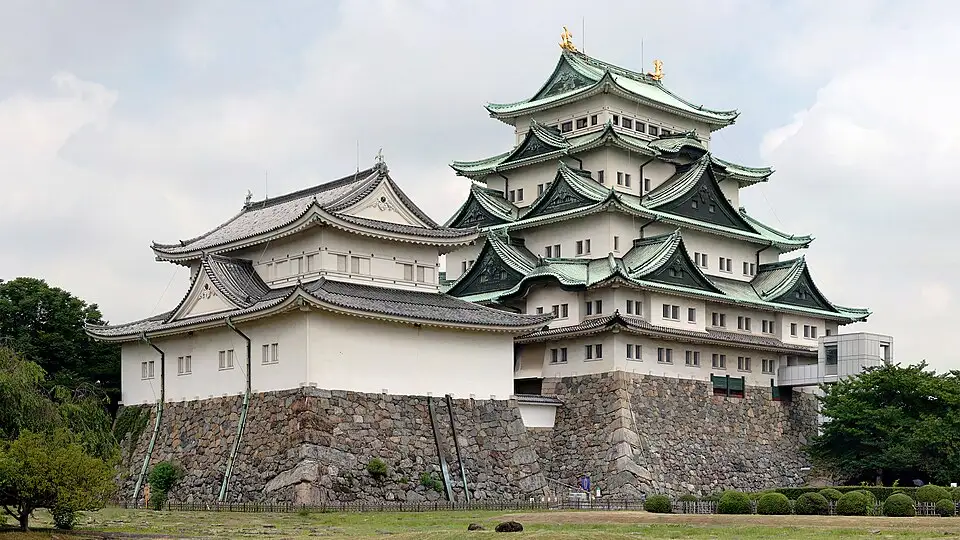
In short: TourMyDay's 3-day sample plan for Nagoya has 18 stops, each timed to its opening hours and in walking order, starting at Nagoya Castle at 9:00 AM.
Written with AI from TourMyDay's own city data (sights, opening hours, the app's planner), not by a local expert. How TourMyDay works →
Nagoya is best explored on foot and by subway, with its main sights spread between the castle district, the Ōsu shopping and temple quarter, and the green spaces of Tsuruma and Tokugawa. Distances between neighbourhoods are manageable, but opening hours vary a lot, so the order you visit in matters.
Taken together, these sights add up to a city of samurai history, Shinto and Buddhist sites, and strong museums. Expect a mix of castle grounds, quiet temple courtyards and a few modern landmarks, with plenty of room to slow down in the parks.
Sample itinerary
Planned by the TourMyDay app around real opening hours, in walking order, with a lunch break.
Day 1: Castle, tower and temple
Start early at Nagoya Castle, then head to the Nagoya TV Tower, Oasis 21, the Nagoya City Science Museum, Ōsu Kannon Temple and finish at Ikeda Park.
- Nagoya Castle
- 26 min walk
- Nagoya TV Tower
- 🍽️ Lunch: Glycine
- Oasis 21
- 17 min walk
- Nagoya City Science Museum
- 10 min walk
- Ōsu Kannon Temple
- 23 min walk
- Ikeda Park
Day 2: Parks, museums and gardens
Begin in Tsuruma Park, then visit the Nagoya Civic Assembly Hall, Nunoike Church and Hōsa Library before the Tokugawa Art Museum and ending in Tokugawa Garden.
- Tsuruma Park
- 4 min walk
- Nagoya Civic Assembly Hall
- 30 min walk
- Nunoike Church
- 22 min walk
- Hōsa Library
- 🍽️ Lunch: 蘇山荘
- 2 min walk
- Tokugawa Art Museum
- 3 min walk
- Tokugawa Garden
Day 3: Downtown and temples
Spend the day around Hisaya Ōdori Park and Misono-za, then the Nagoya City Art Museum, Ōsu, Banshō-ji Temple and finish at Shinshū Ōtani-ha Nagoya Betsu-in Temple.
- Hisaya Ōdori Park
- 16 min walk
- Misono-za
- 8 min walk
- Nagoya City Art Museum
- 🍽️ Lunch: Sugiura Coffee
- 8 min walk
- Ōsu
- 5 min walk
- Banshō-ji Temple
- 15 min walk
- Shinshū Ōtani-ha Nagoya Betsu-in Temple
Top sights
Nagoya Castle
Nagoya Castle is the city's signature landmark, with reconstructed keep and grounds. Go early, as it closes at 16:30. Look for the golden shachihoko roof ornaments.
🕘 09:00-16:30Atsuta Jingū
Atsuta Jingū is one of Japan's most important Shinto shrines, set in a large wooded precinct. Don't miss the Kusanagi-kan treasure hall and the quieter outer shrines.
Nagoya TV Tower
Nagoya TV Tower is a classic mid-century broadcast tower in the Hisaya Ōdori area. Go for the city views, especially in the evening when the hours run later.
🕘 Mo-Su 10:00-21:00; Sa 10:00-21:40Tokugawa Art Museum
Tokugawa Art Museum holds collections tied to the Tokugawa family, including important classical Japanese works. Check the displays, as exhibits rotate. It is closed on Mondays.
🕘 Tu-Su 10:00-17:00Nagoya City Science Museum
Nagoya City Science Museum is a hands-on museum with a large planetarium and exhibits for all ages. Check the calendar, as it has irregular closures on some Mondays and Fridays.
🕘 Tu-Su 09:30-17:00; Mo,Fr[3] offTsuruma Park
Tsuruma Park is a large, relaxed park with a library and an ancient burial mound nearby. It is a good place for a slower walk and a break between busier sights.
☀️ Open airŌsu Kannon Temple
Ōsu Kannon Temple is a lively Buddhist temple in the Ōsu shopping quarter. Wander the surrounding market streets before or after your visit.
Ōsu
Ōsu is a dense old neighbourhood of shops, eateries and temples, best explored without a fixed route. It is a good place to eat and browse in the afternoon.
☀️ Open airToyota Commemorative Museum of Industry and Technology
Toyota Commemorative Museum of Industry and Technology traces the history of Japanese manufacturing and the automobile. Good for visitors interested in engineering and design.
🕘 Tu-Su 09:30-17:00Danpusan Kofun
Danpusan Kofun is an ancient burial mound, a reminder of Nagoya's much older history. It is a short, simple stop best combined with nearby sights.
Tokugawa Garden
Tokugawa Garden is a traditional Japanese strolling garden with ponds and seasonal planting. It makes a calm finish to a day of museums and temples.
☀️ Open airBanshō-ji Temple
Banshō-ji Temple is a quiet Buddhist temple in the Ōsu area, good for a peaceful look at temple architecture. It pairs well with a walk through Ōsu.
Tips
- Visit Nagoya Castle in the morning, since it closes at 16:30 and the last entry is earlier than the grounds close.
- Check each museum's closing day before you go, as several close on Mondays and some have irregular closures.
- Group the Ōsu sights together on foot to save time, and leave flexible time for browsing the shopping streets.
- Keep a day's buffer for transit between districts, and download your offline map and plan before you leave your hotel.
Best time to visit
Spring and autumn are the most comfortable seasons for walking between parks and temples, with mild temperatures. Mornings are the best time for castle and shrine visits, before crowds and heat build up.
Plan your own days here, offline
TourMyDay plans every day around your taste and pace, with real opening hours, and it works with no signal.
Download on theApp StoreQuestions
How many days do you need in Nagoya?
Three days gives you time for the castle, shrines, museums, gardens and the Ōsu area without rushing. Two days is possible if you focus on the main highlights.
Can you see Nagoya on foot?
Much of the central sightseeing is walkable, especially around the castle, Hisaya Ōdori and Ōsu. Use the subway to move between the more distant parks and museums.
What is closed and when?
Many museums close on Mondays, and Nagoya Castle closes at 16:30. Opening hours vary, so check each sight's listed hours and closing days before you plan the day.
Is it doable offline with TourMyDay?
Yes, TourMyDay plans your day around opening hours and walking order, and works offline once the plan is saved. You can check the route and stop times without a connection.
How this guide was made: the sights and their opening hours come from the city's TourMyDay download (OpenStreetMap, Wikidata and the places' own websites), the sample plan was made by the app's planner, and the text was written with AI from those facts. How TourMyDay works →